Average Home Electricity Usage by State (2026)
The average American home uses about 10,500 kWh of electricity per year — or roughly 886 kWh per month. But that national average masks enormous variation. A home in Louisiana uses nearly three times as much electricity as one in Hawaii, driven by differences in climate, home size, heating fuel, and electricity prices.
Understanding where your home falls relative to these averages is the first step to controlling your electric bill.
Average Electricity Usage by State
Climate is the single biggest driver of electricity consumption differences between states. Hot, humid states in the South use far more electricity for air conditioning, while cold Northern states often rely on natural gas or fuel oil for heating (which doesn’t show up in electricity consumption).
| State | Avg kWh/Month | Avg Rate (¢/kWh) | Avg Monthly Bill |
|---|---|---|---|
| Louisiana | 1,149 | 12.5¢ | $144 |
| Tennessee | 1,124 | 12.4¢ | $139 |
| Mississippi | 1,108 | 13.1¢ | $145 |
| Alabama | 1,103 | 14.7¢ | $162 |
| Texas | 1,132 | 14.0¢ | $158 |
| Florida | 1,068 | 15.5¢ | $166 |
| Georgia | 1,038 | 14.0¢ | $145 |
| Virginia | 1,015 | 14.6¢ | $148 |
| North Carolina | 1,003 | 13.3¢ | $133 |
| Ohio | 871 | 14.7¢ | $128 |
| Pennsylvania | 832 | 18.2¢ | $151 |
| Illinois | 739 | 16.6¢ | $123 |
| New York | 591 | 24.3¢ | $144 |
| California | 536 | 31.2¢ | $167 |
| Massachusetts | 584 | 28.6¢ | $167 |
| Hawaii | 506 | 42.4¢ | $215 |
Data: U.S. Energy Information Administration (EIA), latest available residential data. Rates and consumption rounded to nearest whole numbers for readability.
What Uses the Most Electricity in Your Home?
Understanding where your electricity goes is key to reducing consumption. Here’s the typical breakdown for an American home:
| Category | % of Total Usage | Avg kWh/Year | Avg Annual Cost |
|---|---|---|---|
| Air conditioning | 17% | 1,785 | $295 |
| Space heating (electric) | 15% | 1,575 | $260 |
| Water heating (electric) | 14% | 1,470 | $243 |
| Lighting | 10% | 1,050 | $173 |
| Refrigeration | 7% | 735 | $121 |
| Clothes dryer | 5% | 525 | $87 |
| TV & media devices | 5% | 525 | $87 |
| Cooking | 3% | 315 | $52 |
| Dishwasher | 2% | 210 | $35 |
| Other (fans, pumps, EV charging, etc.) | 22% | 2,310 | $381 |
Why Your Usage May Be Higher (or Lower) Than Average
How to Estimate Your Home’s Electricity Usage
If you don’t have access to your electricity bills (for example, if you’re about to move into a new home), you can estimate monthly usage with this rule of thumb:
| Home Type | Estimated Monthly kWh |
|---|---|
| Studio / 1-BR apartment | 400–600 kWh |
| 2-BR apartment | 600–900 kWh |
| Small house (under 1,500 sq ft) | 800–1,100 kWh |
| Medium house (1,500–2,500 sq ft) | 1,000–1,500 kWh |
| Large house (2,500–4,000 sq ft) | 1,400–2,200 kWh |
| Add: electric vehicle | +300–400 kWh |
| Add: pool with pump | +150–300 kWh |
How to Reduce Your Electricity Consumption
The most effective ways to lower your electricity usage, ranked by impact:
- Upgrade your thermostat. A programmable or smart thermostat can reduce heating and cooling costs by 10–15%. Set it to 78°F in summer and 68°F in winter when you’re home, and let it adjust when you’re away.
- Seal air leaks. Weatherstripping, caulking around windows, and sealing ductwork can reduce HVAC energy use by 15–25%. This is especially impactful in older homes.
- Switch to LED lighting. If you haven’t already, replace all incandescent and CFL bulbs with LEDs. LEDs use 75% less energy and last 25 times longer.
- Upgrade to ENERGY STAR appliances. When it’s time to replace an appliance, choose ENERGY STAR certified models. An ENERGY STAR refrigerator uses about 15% less energy than a non-certified model.
- Use your electricity at the right time. If your plan has time-of-use pricing, shift heavy usage (laundry, dishwasher, EV charging) to off-peak hours to save 20–40% on those activities.
“The cheapest kilowatt-hour is the one you don’t use. Energy efficiency improvements typically pay for themselves within 1–3 years and keep saving money for decades.”
New Factors Driving Household Electricity Use
Average home electricity consumption has been rising steadily, and two trends are accelerating the shift. Electric vehicle ownership continues to grow, and home charging is now one of the largest single loads in EV households — adding 300 to 400 kWh per month, roughly equivalent to running a second central air conditioner. If you’ve recently purchased an EV, it’s worth revisiting your electricity plan, since time-of-use pricing can cut charging costs significantly by shifting sessions to overnight off-peak hours.
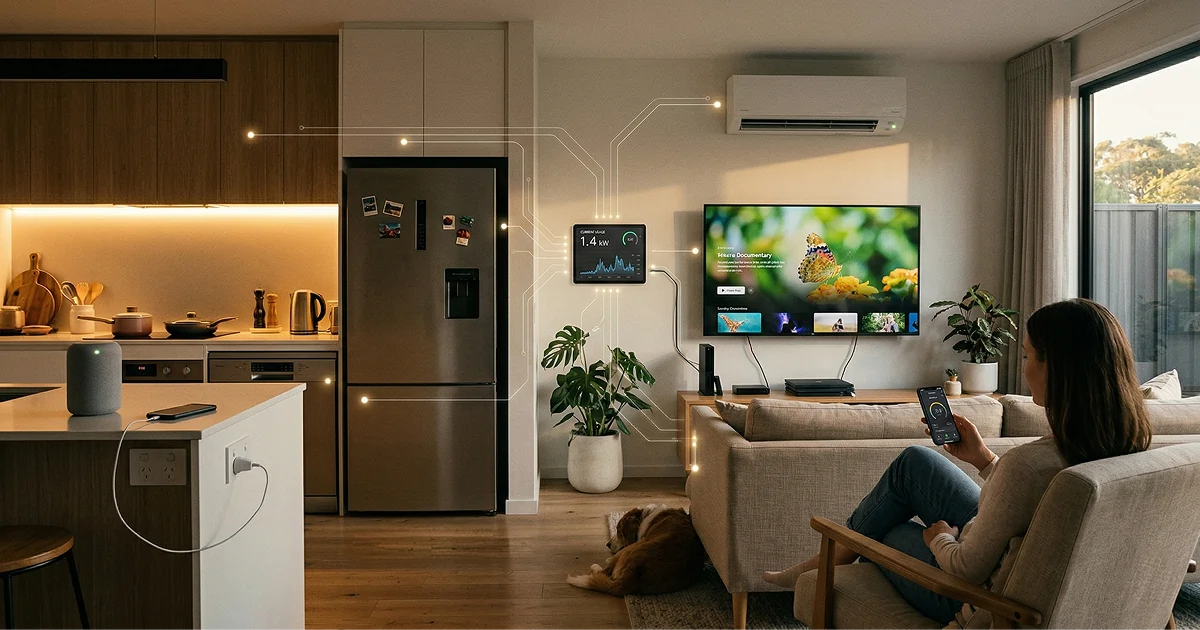
Smart home devices are also reshaping consumption patterns in ways that cut both directions. While individual gadgets like smart speakers and displays add modest always-on loads, smart thermostats, automated lighting, and energy monitoring systems can more than offset those costs by optimizing HVAC schedules and eliminating waste. Homes with a well-configured smart thermostat typically save 10–15% on heating and cooling — enough to justify the cost of the device within a few months.
How Your Usage Affects Plan Choice
Knowing your usage level is crucial for picking the right electricity plan in deregulated states. Many plans have tiered pricing or usage credits that only kick in at certain levels:
- Low usage (<500 kWh/month): Avoid plans with high monthly base charges. Look for low per-kWh rates with no minimum usage credits.
- Average usage (800–1,200 kWh/month): Compare plans at the 1,000 kWh EFL price. Most plans are optimized for this usage tier.
- High usage (>1,500 kWh/month): Look for plans with bill credits at 1,000 or 2,000 kWh. These can dramatically lower your effective rate at high usage levels.
Compare electricity rates in your state to find the best plan for your specific usage level.
Sources
U.S. Energy Information Administration (EIA) Residential Energy Consumption Survey (RECS 2020, updated 2025), EIA Monthly Electric Utility Sales and Revenue Report, EIA State Electricity Profiles, ENERGY STAR appliance data. Last updated August 14, 2026.