

















How Much Do Americans Spend on Electricity?
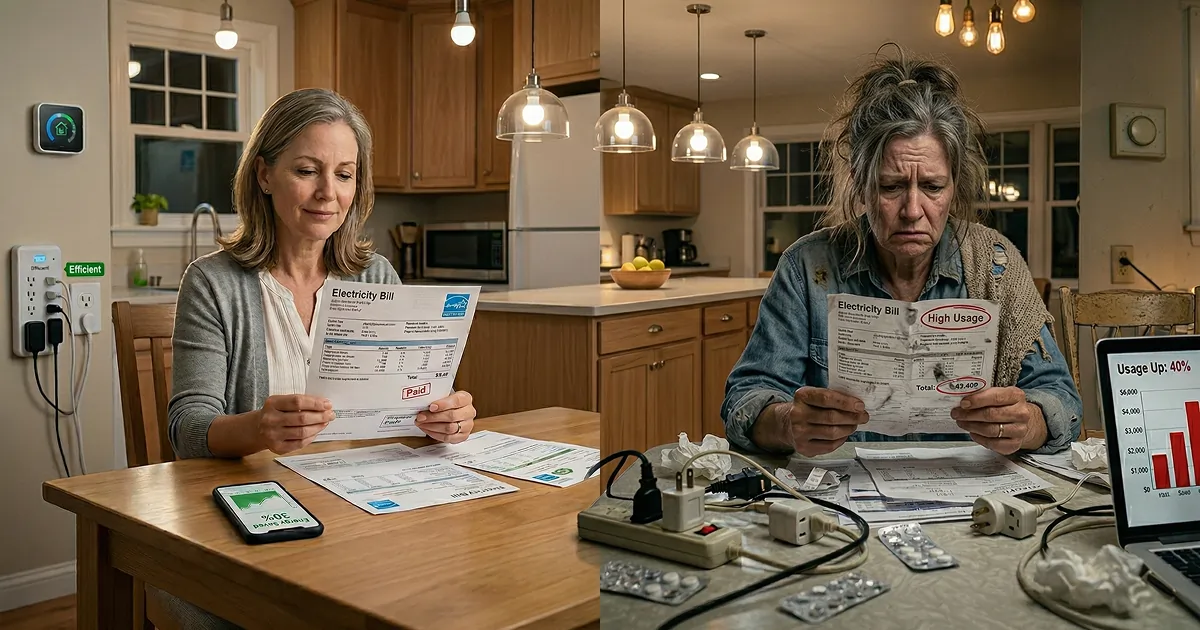
Electricity is one of those fixed costs most households can't avoid — but how big a bite does it actually take from your paycheck? The answer varies dramatically depending on where you live and how much you earn.
The National Average
The average American household spends roughly 2–4% of gross income on electricity. With the national median household income around $80,000 and average annual electricity costs of roughly $2,000, most middle-income families spend about 2.5% of their income keeping the lights on.
But this average masks enormous variation. A household earning $30,000 per year in a hot, humid state like Mississippi or Alabama might spend 8–12% of income on electricity, while a high-income family in a mild climate like San Francisco might spend under 1%.
Energy Burden: What It Is and Why It Matters
Energy burden is the percentage of household income spent on energy costs — including electricity, natural gas, heating oil, and other fuels. The Department of Energy considers any household spending more than 6% of income on energy to be "energy burdened," and those spending more than 10% to have a "severe energy burden."
Low-income households are disproportionately affected:
| Income Level | Avg. Electricity Spend (% of Income) | Avg. Total Energy Burden |
|---|---|---|
| Below $20,000 | 8–15% | 14–25% |
| $20,000–$40,000 | 4–8% | 7–12% |
| $40,000–$60,000 | 3–5% | 5–8% |
| $60,000–$100,000 | 2–3% | 3–5% |
| Above $100,000 | 1–2% | 2–3% |
For families at the bottom of the income scale, electricity isn't just a line item — it's a financial pressure point that can force impossible choices between cooling a home in summer and putting food on the table.
State-by-State Electricity Costs vs. Income
Electricity burden varies widely by state, driven by the interplay of local electricity rates, climate (which determines consumption), and median household income.
Highest Electricity Burden (Electricity Cost ÷ Median Income)
| State | Avg. Monthly Bill | Median Income | Electricity as % of Income |
|---|---|---|---|
| Mississippi | $180 | $48,610 | 4.4% |
| Alabama | $195 | $55,870 | 4.2% |
| South Carolina | $175 | $59,320 | 3.5% |
| West Virginia | $155 | $51,530 | 3.6% |
| Arkansas | $145 | $52,530 | 3.3% |
Lowest Electricity Burden
| State | Avg. Monthly Bill | Median Income | Electricity as % of Income |
|---|---|---|---|
| Utah | $95 | $86,830 | 1.3% |
| Washington | $105 | $90,320 | 1.4% |
| Colorado | $110 | $87,600 | 1.5% |
| Maryland | $140 | $94,990 | 1.8% |
| New Jersey | $130 | $97,130 | 1.6% |
The pattern is clear: states with hot climates and lower incomes shoulder the heaviest electricity burden, while states with mild climates and higher incomes feel it least.
Why Some Households Pay So Much More
- Climate extremes. Households in the South run air conditioning 5–7 months per year. In the North, electric heating (especially heat pumps and baseboard heaters) drives winter bills up.
- Housing quality. Older, poorly insulated homes leak conditioned air, forcing HVAC systems to work harder. Low-income renters are most likely to live in these units.
- Appliance efficiency. Low-income households often use older, less efficient appliances — a 15-year-old refrigerator uses 2–3x more electricity than a new Energy Star model.
- Rate structure. In some states, higher-usage tiers are charged at premium rates, punishing households that can't afford efficiency upgrades.
- No access to competitive rates. In regulated states, consumers can't shop for a cheaper electricity plan. In deregulated states, shopping can save 10–20%.
How to Reduce Your Electricity Burden
- Shop for a better rate. If you live in a deregulated state, compare plans to find a lower per-kWh rate. Savings of $20–$50/month are common.
- Apply for assistance programs. Programs like LITE-UP Texas, LIHEAP, and state weatherization programs can cut bills 10–30%.
- Upgrade to LED lighting. Replacing all bulbs saves the average home $225/year.
- Seal air leaks. Caulking and weatherstripping around windows and doors is cheap and can reduce HVAC costs by 10–20%.
- Use a programmable thermostat. Setting back 7–10°F for 8 hours a day saves up to 10% annually on heating and cooling.
Related Articles
- How Much Electricity Does the Average Home Use?
- Are You Paying Too Much in Delivery Charges?
- LITE-UP Texas Assistance Program
- Electricity Prices by State
- 50 Surprising Facts on Energy Consumption
Sources
- U.S. Energy Information Administration — eia.gov
- U.S. Census Bureau (income data) — census.gov
- Department of Energy — Low-Income Energy Affordability Data (LEAD) Tool — energy.gov
- American Council for an Energy-Efficient Economy — aceee.org