


















Invest 90L: Texas Power Outage Risks & Real-Time Tracking
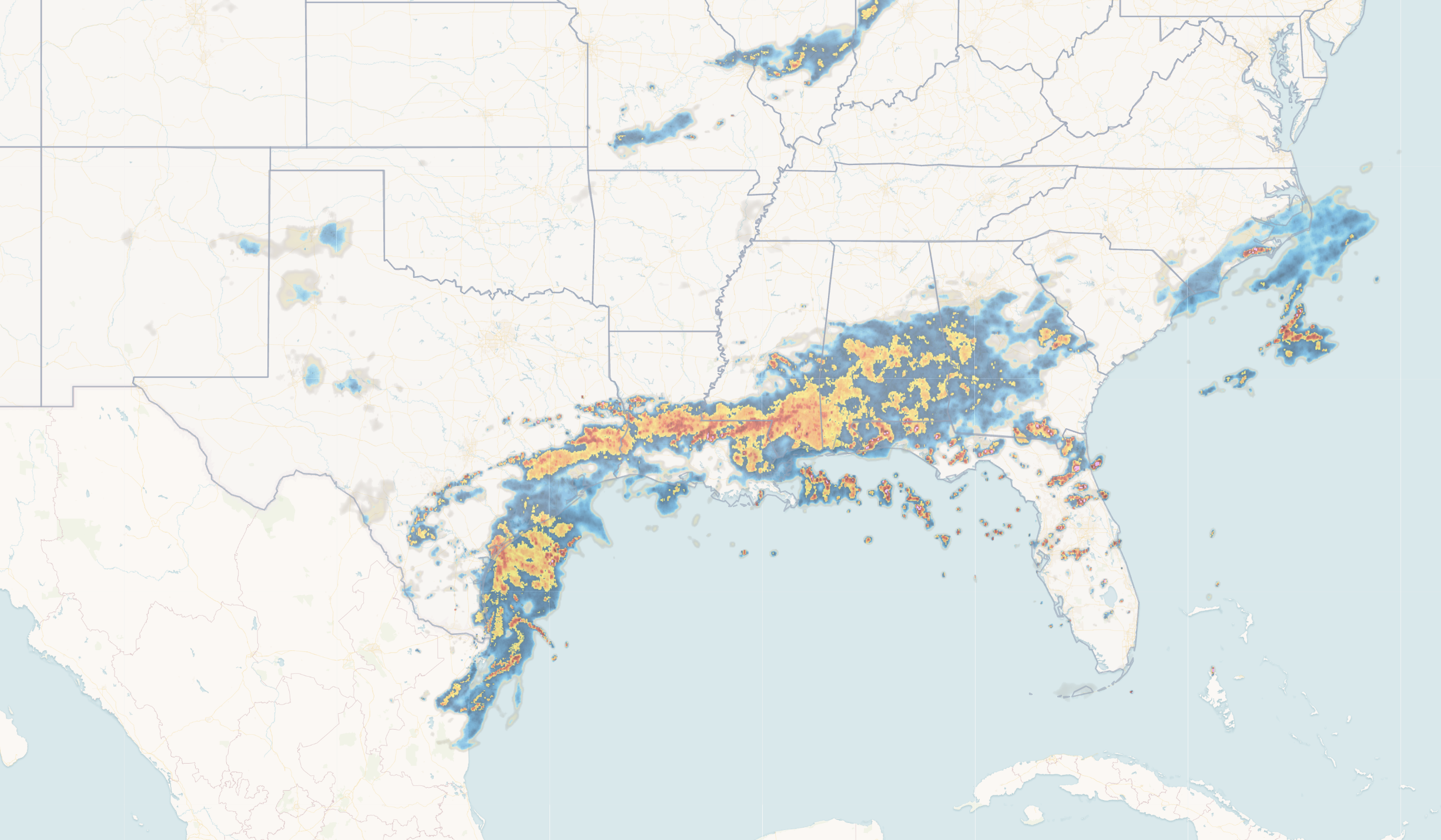
The first potential tropical storm of the 2026 Atlantic hurricane season is taking shape in the Gulf of Mexico — and Texas is directly in its path. As of June 16, the National Hurricane Center has designated the system as Invest 90L / Potential Tropical Cyclone One and gives it a 60% chance of developing into Tropical Storm Arthur within the next 48 hours.
Whether or not the system formally earns a name, the immediate threat to Texas is clear: days of intense rainfall, life-threatening flash flooding, gusty winds, and the very real possibility of widespread power outages across southeastern Texas and the upper Gulf Coast.
What We Know Right Now
A broad area of low pressure currently located over south Texas near the Mexico border is producing disorganized showers and thunderstorms across the region. The National Hurricane Center expects this system to move northeastward along the Texas coast and potentially emerge over the northwestern Gulf of Mexico later today or tonight.
Once over the warm Gulf waters, the system will have a brief window — likely late Wednesday into Thursday — to organize and potentially strengthen into a tropical storm. Environmental conditions are described as “marginally conducive” for development, meaning Arthur would likely be short-lived even if it does form.
Hurricane Hunters are scheduled to investigate the system with reconnaissance flights beginning early Wednesday morning.
The Electricity Impact: What to Expect
Regardless of whether Invest 90L officially becomes Tropical Storm Arthur, the power grid across Southeast Texas and Louisiana faces real stress over the next several days. Here’s why:
Flooding Threatens Electrical Infrastructure
The Weather Prediction Center has issued a moderate (3 out of 4) risk of flash flooding through Thursday. Over a foot of rain is possible in localized areas of southern Texas and central Louisiana. When flooding reaches substations, underground distribution lines, and low-lying transformers, the result is often widespread and prolonged outages — similar to what Houston experienced during Hurricane Harvey in 2017.
Wind Damage to Distribution Lines
Even without hurricane-force winds, tropical systems routinely generate sustained winds and gusts strong enough to snap tree limbs and topple weakened power poles. Southeast Texas’s pine forests and coastal live oaks are particularly vulnerable when saturated soil loosens root systems, making trees more likely to fall onto power lines.
Grid Demand Spikes
Mid-June in Texas means air conditioning is running at full capacity. If the storm disrupts generation assets or transmission capacity while demand remains high, ERCOT (the state’s grid operator) may face tight operating conditions. While a repeat of the 2021 Winter Storm Uri crisis is unlikely from a summer tropical system, localized generation outages combined with transmission line trips could still create stress on the grid.
We’re Tracking Power Outages in Real Time
At ElectricChoice.com, we monitor power outages across the United States in real time. Our Power Outage Tracker aggregates data from utilities across Texas and the Gulf Coast — including CenterPoint Energy, Oncor, AEP Texas, TNMP, and Entergy — so you can see exactly how many customers are without power and where.
As this storm develops, we’ll be tracking outage numbers closely and updating our data throughout the event. Bookmark our outage tracker to stay informed:
How to Prepare Your Home’s Electrical System
With the storm approaching, now is the time to take steps to protect your home and minimize the impact of a potential outage:
- Charge all devices. Fully charge phones, laptops, and portable battery packs before the heaviest rain arrives Wednesday.
- Set your thermostat lower now. Pre-cooling your home while the grid is stable gives you a thermal buffer if power goes out during peak heat.
- Unplug sensitive electronics. Power surges during restoration can damage computers, TVs, and appliances. Use surge protectors or unplug entirely.
- Know your utility’s outage reporting process. Most Texas utilities allow you to report outages via text, app, or website. Have your account number accessible.
- If you have a generator, test it now. Never operate a generator indoors or in an enclosed garage. Carbon monoxide poisoning kills more people during outages than the storms themselves.
- Fill your gas tank. Gas stations can’t pump fuel without electricity. Fill up before the storm hits.
What Happens If Arthur Strengthens?
The good news: even if Invest 90L becomes Tropical Storm Arthur, forecasters expect it to be a relatively brief, disorganized system. The storm is expected to continue moving northeast toward Louisiana without significant intensification. This is not a situation where a major hurricane is threatening the Texas coast.
However, the precedent from Houston’s history is clear. Hurricane Harvey (2017) wasn’t particularly strong when it stalled over the city — it was the duration of rainfall that caused catastrophic flooding and knocked out power to over 300,000 customers. The current system, while much weaker, shares one Harvey-like characteristic: it’s expected to produce prolonged, heavy rainfall over a concentrated area.
Stay Informed
We’ll continue monitoring this system and updating our Power Outage Tracker as conditions develop. If you’re in southeast Texas, southern Louisiana, or coastal Mississippi, stay alert for Tropical Storm Watches or Warnings that could be issued as early as today.
For electricity customers in deregulated areas of Texas: if your current plan is expiring soon, consider locking in a rate now before storm-driven volatility hits the wholesale market. Compare Texas electricity rates here.
Sources
National Hurricane Center Tropical Weather Outlook (June 16, 2026), NOAA Weather Prediction Center, ERCOT grid status reports, Click2Houston/KPRC weather coverage, ABC17 News, Palm Beach Post live tropical updates. Information is current as of publication and may change rapidly as the system develops.